Explore the Mission Poshan 2.0 Scheme. Learn how India’s unified nutrition ecosystem uses the Poshan Tracker, Saksham Anganwadis, and Jan Andolan to fight malnutrition.
- Introduction
- What is Mission Poshan 2.0?
- The Three Pillars of Mission Poshan 2.0
- Technology and Digital Governance
- Community Engagement: The Jan Andolan Approach
- FAQs: Common Questions on Poshan 2.0 Scheme
- Conclusion
- மிஷன் போஷன் 2.0 திட்டம்: இந்தியாவின் ஊட்டச்சத்து சூழலை வலுப்படுத்துதல் பற்றிய விரிவான கட்டுரை
- அறிமுகம்
- மிஷன் போஷன் 2.0 என்றால் என்ன?
- தொழில்நுட்பம் மற்றும் மேலாண்மை
- மக்கள் இயக்கம் (Jan Andolan)
- அடிக்கடி கேட்கப்படும் கேள்விகள் (FAQs)
- முடிவுரை
SOURCE : PIB ENGLISH | TAMIL
Key Highlights of Poshan 2.0
- Unified Framework: Consolidates Anganwadi Services, POSHAN Abhiyaan, and the Scheme for Adolescent Girls.
- Targeted Demographics: Focuses on children (0-6 years), pregnant women, lactating mothers, and adolescent girls.
- Lifecycle Approach: Prioritizes the “first 1,000 days” from conception to two years of age for optimal brain development.
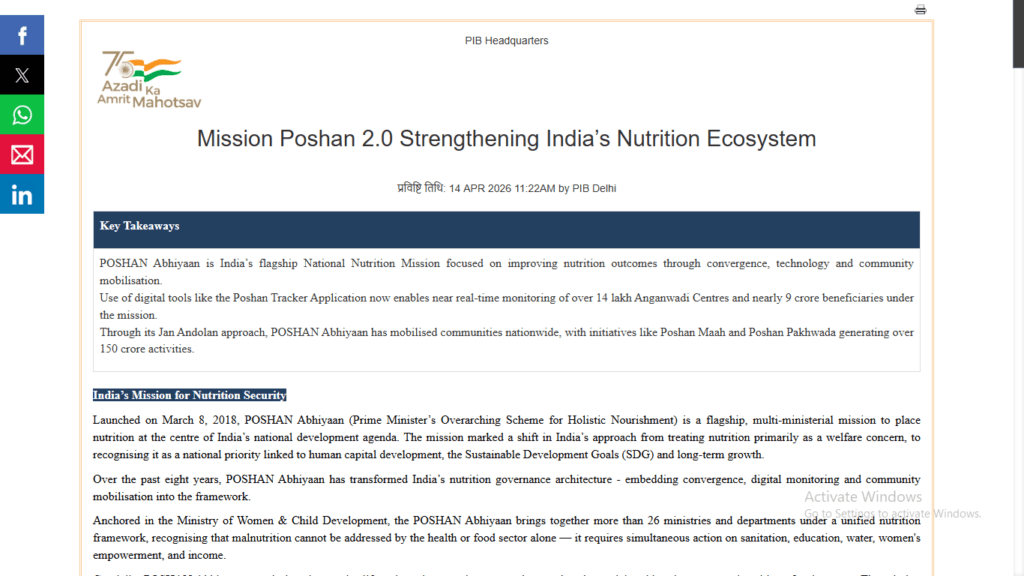
- Tech-Driven Governance: Utilizes the Poshan Tracker app for real-time monitoring of over 14 lakh Anganwadi Centres.
- Jan Andolan: Transforms nutrition into a mass movement through annual events like Poshan Maah and Poshan Pakhwada.
Introduction
For decades, India’s battle against malnutrition was fought across scattered departments and various disconnected programs. However, the landscape changed significantly with the evolution of the National Nutrition Mission. Today, the Poshan 2.0 Scheme stands as the cornerstone of India’s strategy to build a “Viksit Bharat” by 2047. By integrating health, education, and nutrition into a single ecosystem, this mission is not just feeding the nation—it is fueling its future human capital.
Whether you are a UPSC aspirant studying social justice or a concerned citizen, understanding the Poshan 2.0 Scheme is essential to grasping how India intends to eliminate stunting, wasting, and anemia.
What is Mission Poshan 2.0?
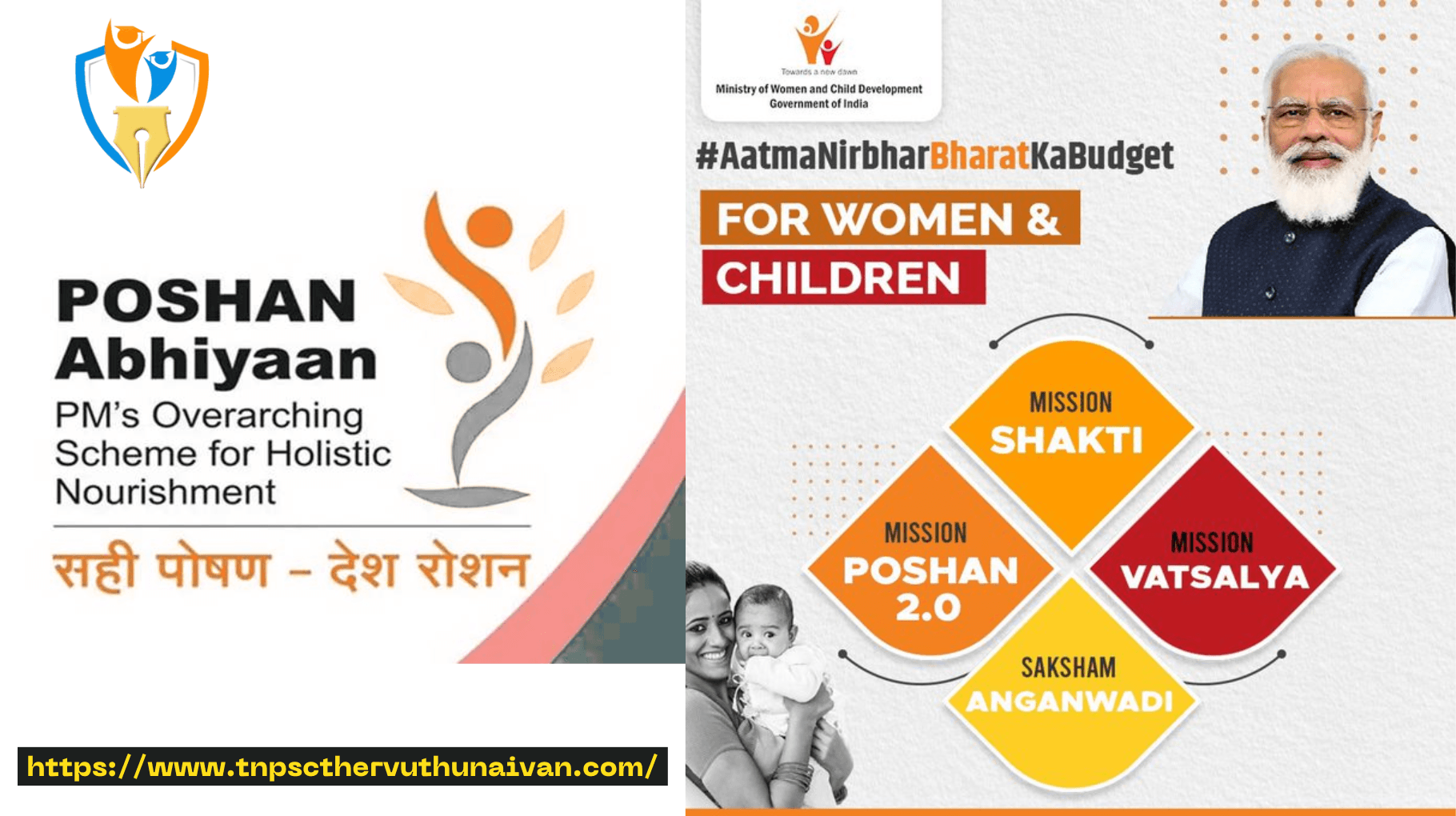
Launched in the Union Budget 2021-22, Mission Poshan 2.0 (also known as Mission Saksham Anganwadi and Poshan 2.0) is an integrated nutrition support program. It was designed to bridge the gaps in previous schemes by creating a unified framework.
The Evolution of the Policy
- ICDS (1975): The foundational platform for early childhood care.
- National Nutrition Strategy (2017): NITI Aayog recommended a mission-mode approach.
- POSHAN Abhiyaan (2018): Launched to place nutrition at the center of the national development agenda.
- Poshan 2.0 (2021): Consolidated fragmented initiatives to sharpen focus on maternal and child nutrition.
The Three Pillars of Mission Poshan 2.0
The mission operates through three primary verticals to ensure no one is left behind:

1. Nutrition Support
The scheme provides supplementary nutrition to children, pregnant women, and adolescent girls. In January 2023, these norms were revised to shift from being purely calorie-specific to more balanced and diverse diets.
- Diet Diversity: Focuses on quality protein, healthy fats, and essential micronutrients like Iron, Zinc, and Vitamin B-12.
- Poshan Vatikas: Nutri-gardens are being set up at Anganwadi Centres and schools to provide affordable access to fruits and vegetables.
2. Early Childhood Care and Education (ECCE)
Aligning with the National Education Policy (NEP) 2020, Poshan 2.0 integrates preschool education for children aged 3–6 years.
- Poshan Bhi Padhai Bhi: An initiative to improve ECCE quality by training Anganwadi Workers (AWWs).
- Vidyarambh Certificate: Introduced in August 2025 to recognize the early education children receive at Anganwadi Centres.
3. Saksham Anganwadi (Infrastructure Upgradation)
Under this vertical, 2 lakh Anganwadi centres are being upgraded into “Saksham Anganwadis”. These upgraded centres feature:
- LED screens for digital learning.
- Water purifiers and smart learning aids.
- Better infrastructure to ensure a “seamless educational transition” to primary schools.
Technology and Digital Governance
A major highlight of the Poshan 2.0 Scheme is its reliance on data and transparency.
The Poshan Tracker App
Launched on March 1, 2021, the Poshan Tracker is the primary governance tool for the mission. It allows for:
- Real-Time Monitoring: Tracking daily attendance, growth monitoring, and service delivery across nearly 14.03 lakh centres.
- Identity Verification: Using Aadhaar-based tracking and Facial Recognition System (FRS) to eliminate “ghost entries” and ensure benefits reach the right people.
- Home Visit Scheduler: A new IT-enabled feature launched in April 2026 to help AWWs manage 23 structured home visits for pregnant women and infants.
Community Engagement: The Jan Andolan Approach
Mission Poshan 2.0 is not just a government program; it is a Jan Andolan (People’s Movement).
Poshan Maah & Poshan Pakhwada
- Rashtriya Poshan Maah: Celebrated every September to promote nutrition literacy. In 2025, it was launched alongside the Swasth Nari, Sashakt Parivar Abhiyaan.
- Poshan Pakhwada: A two-week intensive outreach held every April. In 2026, the 8th edition focused on “Maximizing Brain Development in the First Six Years of Life”.
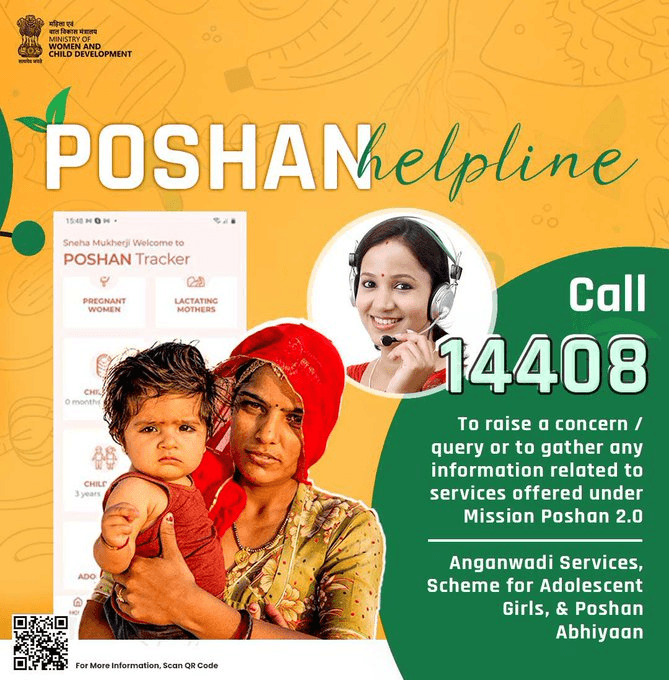
Photo credits to Ministry of WCD
FAQs: Common Questions on Poshan 2.0 Scheme
1. What is the main objective of the Poshan 2.0 Scheme? The primary objective is to address the challenges of malnutrition, stunting, and wasting through a unified framework that combines supplementary nutrition with early childhood education and better infrastructure.
2. Which ministries are involved in Mission Poshan 2.0? While anchored in the Ministry of Women & Child Development, it brings together more than 26 ministries and departments, including Health and Education, under a unified framework.
3. How does the Poshan Tracker benefit the beneficiaries? It ensures transparency and last-mile delivery. By monitoring growth and nutrition status in real-time, it allows for immediate “course corrections” if a child is found to be malnourished.
4. What is the “First 1,000 Days” concept in this scheme? Scientific evidence shows that 85% of brain development occurs by age six, with the first 1,000 days from conception being the most critical. Poshan 2.0 prioritizes this window for physical and cognitive growth.
5. How can citizens report grievances related to Poshan services? Beneficiaries can use the Poshan Helpline (1515), which is active for both POSHAN Abhiyaan and PMMVY queries. The helpline is available in 17 languages.
Conclusion
The Poshan 2.0 Scheme represents a paradigm shift in how India views nutrition. By moving from a welfare-based model to a lifecycle-based human capital development model, the mission is creating a resilient foundation for future generations. As the program continues to evolve with better technology and deeper community participation, it brings India one step closer to a malnutrition-free future.
மிஷன் போஷன் 2.0 திட்டம்: இந்தியாவின் ஊட்டச்சத்து சூழலை வலுப்படுத்துதல் பற்றிய விரிவான கட்டுரை
போஷன் 2.0 திட்டத்தின் முக்கிய சிறப்பம்சங்கள்
- ஒருங்கிணைந்த கட்டமைப்பு: அங்கன்வாடி சேவைகள், போஷன் அபியான் மற்றும் இளம் பெண்களுக்கான திட்டம் ஆகியவற்றை ஒருங்கிணைக்கிறது.
- இலக்கு குழுக்கள்: 6 வயதுக்குட்பட்ட குழந்தைகள், கர்ப்பிணிப் பெண்கள், பாலூட்டும் தாய்மார்கள் மற்றும் இளம் பெண்கள் ஆகியோரை மையமாகக் கொண்டது.
- வாழ்க்கைச் சுழற்சி அணுகுமுறை: கருத்தரிப்பு முதல் இரண்டு வயது வரையிலான “முதல் 1,000 நாட்களுக்கு” முன்னுரிமை அளிக்கிறது.
- தொழில்நுட்ப மேலாண்மை: 14 லட்சத்திற்கும் அதிகமான அங்கன்வாடி மையங்களைக் கண்காணிக்க போஷன் ட்ராக்கர் (Poshan Tracker) செயலியைப் பயன்படுத்துகிறது.
- மக்கள் இயக்கம் (Jan Andolan): போஷன் மா (Poshan Maah) மற்றும் போஷன் பக்வாடா (Poshan Pakhwada) போன்ற நிகழ்வுகள் மூலம் ஊட்டச்சத்தை ஒரு மக்கள் இயக்கமாக மாற்றுகிறது.
அறிமுகம்
இந்தியாவின் ஊட்டச்சத்து குறைபாட்டிற்கு எதிரான போராட்டம் இப்போது ஒரு புதிய பரிமாணத்தை எட்டியுள்ளது. போஷன் 2.0 திட்டம் என்பது வெறும் உணவு வழங்கும் திட்டம் மட்டுமல்ல; இது இந்தியாவின் எதிர்கால மனித வளத்தை மேம்படுத்தும் ஒரு மாபெரும் முயற்சியாகும். 2047-க்குள் ‘வளர்ந்த இந்தியா’ (Viksit Bharat) என்ற இலக்கை அடைய ஆரோக்கியமான தலைமுறையை உருவாக்குவது அவசியமாகும்.
மிஷன் போஷன் 2.0 என்றால் என்ன?
மத்திய பட்ஜெட் 2021-22 இல் அறிவிக்கப்பட்ட மிஷன் போஷன் 2.0, சிதறிக்கிந்த பல்வேறு ஊட்டச்சத்து திட்டங்களை ஒன்றிணைத்து ஒரு வலுவான கட்டமைப்பை உருவாக்கியது. இது பெண்களும் குழந்தைகளும் சரியான ஊட்டச்சத்தைப் பெறுவதை உறுதி செய்கிறது.
திட்டத்தின் மூன்று முக்கிய தூண்கள்
1. ஊட்டச்சத்து ஆதரவு (Nutrition Support)
- குழந்தைகளுக்கு (6 மாதங்கள் முதல் 6 ஆண்டுகள் வரை), கர்ப்பிணிப் பெண்கள் மற்றும் இளம் பெண்களுக்கு கூடுதல் ஊட்டச்சத்து வழங்கப்படுகிறது.
- உணவு பன்முகத்தன்மை: புரதம், ஆரோக்கியமான கொழுப்புகள் மற்றும் இரும்புச்சத்து, துத்தநாகம் போன்ற நுண்ணூட்டச்சத்துக்கள் அடங்கிய சீரான உணவுக்கு முக்கியத்துவம் அளிக்கப்படுகிறது.
- போஷன் வாடிகா (Poshan Vatikas): அங்கன்வாடி மையங்களில் ஊட்டச்சத்து தோட்டம் அமைப்பதன் மூலம் புதிய காய்கறிகள் மற்றும் பழங்கள் எளிதில் கிடைக்கச் செய்யப்படுகிறது.
2. ஆரம்பகால குழந்தை பராமரிப்பு மற்றும் கல்வி (ECCE)
- தேசிய கல்வி கொள்கை (NEP) 2020 இன் படி, 3 முதல் 6 வயது வரையிலான குழந்தைகளுக்கு அங்கன்வாடிகளில் விளையாட்டு வழி கல்வி வழங்கப்படுகிறது.
- போஷன் பி படாய் பி (Poshan Bhi Padhai Bhi): அங்கன்வாடி பணியாளர்களுக்கு உயர்தரமான ஆரம்பகால கல்வி பயிற்சி வழங்கப்படுகிறது.
- வித்யாரம்பம் சான்றிதழ்: அங்கன்வாடியில் ஆரம்பக் கல்வியை முடிக்கும் குழந்தைகளுக்கு ‘வித்யாரம்பம்’ சான்றிதழ் வழங்கப்படுகிறது.
3. சக்ஷம் அங்கன்வாடி (Saksham Anganwadi)
- தற்போதுள்ள 2 லட்சம் அங்கன்வாடி மையங்கள் நவீன வசதிகளுடன் மேம்படுத்தப்படுகின்றன.
- இதில் LED திரைகள், சுத்திகரிக்கப்பட்ட குடிநீர் மற்றும் ஸ்மார்ட் கற்றல் கருவிகள் போன்ற நவீன வசதிகள் இருக்கும்.
தொழில்நுட்பம் மற்றும் மேலாண்மை
போஷன் 2.0 திட்டம் தரவு மற்றும் வெளிப்படைத்தன்மைக்கு அதிக முக்கியத்துவம் அளிக்கிறது.
- போஷன் ட்ராக்கர் (Poshan Tracker): இது அங்கன்வாடி சேவைகளை நிகழ்நேரத்தில் (Real-time) கண்காணிக்க உதவுகிறது.
- அடையாள சரிபார்ப்பு: ஆதார் அடிப்படையிலான கண்காணிப்பு மற்றும் முக அங்கீகார முறை (Facial Recognition System) மூலம் பயனாளிகள் சரியாகக் கண்டறியப்பட்டு, முறைகேடுகள் தடுக்கப்படுகின்றன.
- வீட்டு வருகை அட்டவணை (Home Visit Scheduler): அங்கன்வாடி பணியாளர்கள் கர்ப்பிணிப் பெண்கள் மற்றும் குழந்தைகளின் வீடுகளுக்குச் சென்று ஆலோசனை வழங்க இந்த மென்பொருள் உதவுகிறது.
மக்கள் இயக்கம் (Jan Andolan)
ஊட்டச்சத்து குறித்த விழிப்புணர்வை மக்களிடையே கொண்டு செல்ல ஆண்டுதோறும் சிறப்பு முகாம்கள் நடத்தப்படுகின்றன.
- ராஷ்டிரிய போஷன் மா (Poshan Maah): ஒவ்வொரு ஆண்டும் செப்டம்பர் மாதம் ஊட்டச்சத்து விழிப்புணர்வு மாதமாக நாடு முழுவதும் கொண்டாடப்படுகிறது.
- போஷன் பக்வாடா (Poshan Pakhwada): இது ஏப்ரல் மாதத்தில் நடத்தப்படும் இரண்டு வார தீவிர விழிப்புணர்வு பிரச்சாரமாகும். 2026 ஆம் ஆண்டின் கருப்பொருள் “முதல் ஆறு ஆண்டுகளில் மூளை வளர்ச்சியை அதிகப்படுத்துதல்” என்பதாகும்.
அடிக்கடி கேட்கப்படும் கேள்விகள் (FAQs)
1. போஷன் 2.0 திட்டத்தின் முக்கிய நோக்கம் என்ன? குழந்தைகள் மற்றும் பெண்களிடையே ஊட்டச்சத்து குறைபாடு, வளர்ச்சி குன்றிய நிலை (Stunting) மற்றும் இரத்த சோகையை நீக்குவதே இதன் முக்கிய நோக்கமாகும்.
2. போஷன் ட்ராக்கர் செயலி எவ்வாறு உதவுகிறது? இது அங்கன்வாடி மையங்களின் செயல்பாடுகள், குழந்தைகளின் வளர்ச்சி மற்றும் ஊட்டச்சத்து விநியோகம் ஆகியவற்றை நேரடியாகக் கண்காணிக்க உதவுகிறது.
3. “முதல் 1,000 நாட்கள்” ஏன் முக்கியம்? ஒரு குழந்தையின் 85% மூளை வளர்ச்சி ஆறு வயதுக்குள் நடக்கிறது; அதில் கருவில் இருக்கும் காலம் முதல் முதல் இரண்டு ஆண்டுகள் மிக முக்கியமானவை. எனவே இக்காலத்தில் ஊட்டச்சத்து மிக அவசியம்.
4. சக்ஷம் அங்கன்வாடி என்றால் என்ன? நவீன தொழில்நுட்ப வசதிகள் மற்றும் மேம்படுத்தப்பட்ட உள்கட்டமைப்புடன் கூடிய அங்கன்வாடி மையங்கள் ‘சக்ஷம் அங்கன்வாடி’ என்று அழைக்கப்படுகின்றன.
5. புகார்களைத் தெரிவிக்க ஏதேனும் உதவி எண் உள்ளதா? ஆம், ஊட்டச்சத்து சேவைகள் தொடர்பான புகார்கள் மற்றும் ஆலோசனைகளுக்கு 1515 என்ற உதவி எண்ணைத் தொடர்பு கொள்ளலாம்.
முடிவுரை
போஷன் 2.0 திட்டம் என்பது இந்தியாவின் எதிர்கால சந்ததியினருக்கான ஒரு முதலீடு. தொழில்நுட்பம், முறையான கல்வி மற்றும் சமூகம் சார்ந்த அணுகுமுறை ஆகியவற்றின் மூலம் இந்தத் திட்டம் ஊட்டச்சத்தில் ஒரு புரட்சியை ஏற்படுத்தி வருகிறது.